Brief
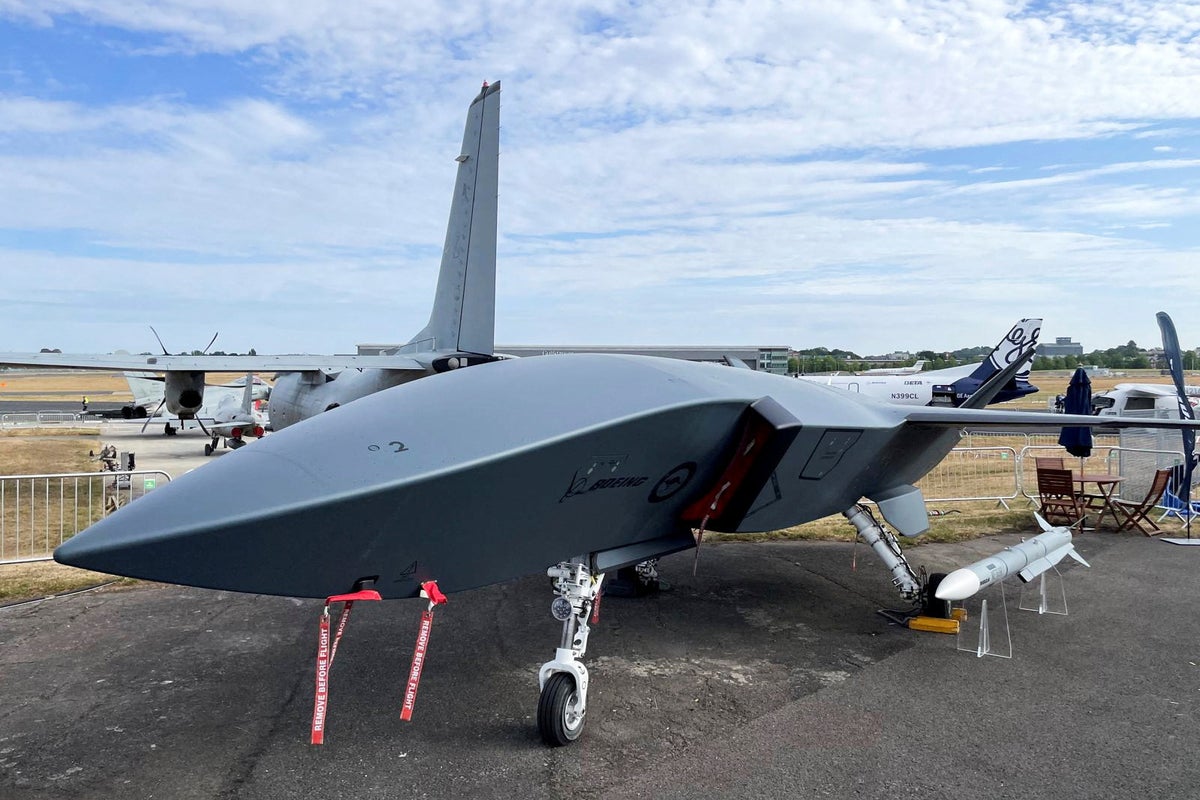
Jump to content UK Edition Change US Edition Asia Edition Edición en Español Sign up to our newsletters Subscribe now Log in / Register Independent Podcasts Europe: The Way Back Subscribe Menu News News Bulletin UK US World Global Aid UK Politics Money Brexit Health Business Science Space News Videos Premium Premium Politics Explained Editorials Voices Long Reads News Analysis Today’s Edition Sport Sport Football Formula 1 Rugby Union Cricket Tennis Boxing UFC Horse Racing Cycling Golf Sport Videos Voices Voices Editorials Your Views John Rentoul Mary Dejevsky Andrew Grice Sean O’Grady Culture Culture Film TV & Radio Music Games Books Art Photography Theatre & Dance Culture Videos Lifestyle Lifestyle Shopping Beauty Fitness & Wellbeing Tech Food & Drink Fashion Love & Sex Health & Families Royal Family Home Motoring Electric Vehicles Lifestyle Videos IndyBest IndyBest Home & Garden Gadgets & Tech Fashion & Beauty Deals Food & Drink Kids Books Travel & Outdoors Sports & Fitness Travel Travel Hotel Reviews News & Advice Cruises UK Europe USA Asia Australia & New Zealand South America C. America & Caribbean Middle East More Deals Travel Deals Fashion Deals Home & Garden Deals Tech Deals Climate News Climate 100 Electric Vehicles Voices Sustainable Living Explained Climate Videos Solar Panels TV Documentaries ACFC Well Enough World of Trouble Travel Smart Drive Smart Money Smart Decomplicated On The Ground Indy100 Today’s Edition Crosswords & Puzzles Most Commented Newsletters Ask Me Anything Virtual Events Betting Sites Casino Sites Thank you for registering Please refresh the page or navigate to another page on the site to be automatically logged in Please refresh your browser to be logged in Swipe for next article News World Americas The robot warplanes that could soon fight America’s next war This week, Boeing rolled out its flight-ready Ghost Bat combat drone while rivals General Atomics and Anduril Industries unveiled full-scale models of their own Cassell Bryan-Low Wednesday 22 July 2026 11:12 BST Bookmark Comments Go to comments Bookmark popover Removed from bookmarks Close popover US Air Force B-52 Stratofortress takes off for night mission during Operation Epic Fury The latest headlines from our reporters across the US sent straight to your inbox each weekday Your briefing on the latest headlines from across the US Your briefing on the latest headlines from across the US Email * SIGN UP I would like to be emailed about offers, events and updates from The Independent. Read our Privacy notice The battle to build America's next generation of AI-powered fighter drones is heating up, with defense giants racing to dominate what analysts say could become a multibillion-dollar military market. At this week's Farnborough Airshow in the UK, Boeing rolled out its flight-ready Ghost Bat combat drone while rivals General Atomics and Anduril Industries unveiled full-scale models of their own uncrewed aircraft, all designed to fly alongside manned fighter jets as autonomous wingmen. The competition also includes Lockheed Martin, Northrop Grumman and Europe's Airbus, as militaries prepare for a future in which human pilots could be backed by fleets of AI-controlled aircraft. open image in gallery Boeing displays its "Ghost Bat" unmanned combat aircraft at the Farnborough International Airshow, in Hampshire, Britain ( Reuters ) The U.S. Air Force expects the drones to cost a fraction of an F-35 fighter jet, which carries a price tag of more than $80 million. Industry analyst Richard Aboulafia said the market could eventually produce hundreds of aircraft each year, although widespread deployment is not expected until the mid-2030s. Boeing says it has a head start. The company describes its Ghost Bat as the most advanced aircraft in the new generation of autonomous combat drones. Earlier this month, it became the first to take part in a multinational military exercise led by the United States after successfully completing a live-fire test against an aerial target in December. open image in gallery U.S. Navy Blue Angels perform a flyover as the United States celebrates its 250th anniversary on Independence Day in New York City, U.S., July 4, 2026. ( Reuters ) "We've got the most mature collaborative combat aircraft," Boeing Vice President Bernd Peters told Reuters. "It's real hardware you see in front of you." Boeing has been developing the Ghost Bat since 2017 and is building seven aircraft for the Australian Defense Force under a three-year contract worth 754 million Australian dollars (about $528 million). The company says the aircraft has completed more than 100 test flights. Its rivals insist they're closing the gap fast. open image in gallery Bernd Peters, Boeing's vice president of business development and strategy, stands in front of the "Ghost Bat" ( Reuters ) "In two years, we have surpassed what a lot of other companies have been working on for many years," said Jason Levin, a senior vice president at defense startup Anduril. "Rather than just making small incremental steps, we like to make large steps." The Air Force has already awarded production contracts to Anduril and General Atomics under its Collaborative Combat Aircraft program, which aims to field the military's first fleet of semi-autonomous fighter drones. Last week, the Air Force completed a live-fire test with an Anduril aircraft over California's Mojave Desert. The company has also begun building its FURY combat drone at a new Ohio factory and says it could eventually produce as many as 150 aircraft a year. open image in gallery Secretary of Defense Pete Hegseth (L) and Chairman of the Joint Chiefs of Staff Air Force Gen. Dan Caine listen as U.S. President Donald Trump speaks to senior military members at Marine Corps Base Quantico on September 30, 2025 ( Getty Images ) General Atomics, best known for the Predator drone, said it has already built multiple aircraft for the Air Force program. Company spokesman Phil Ewing said the biggest leap isn't the aircraft themselves—it's the autonomous software that allows them to fly and fight with minimal human input. He said the company has logged "thousands and thousands" of hours of autonomous flight testing. The Air Force plans to choose a lead contractor for the first phase of the program by the summer of 2027 and hopes to buy more than 150 combat-ready drones before the end of the decade. Lockheed Martin is also developing its own autonomous combat aircraft and says its first prototype is expected to fly next year. The race is expanding beyond the United States. Boeing is partnering with German companies to offer the Ghost Bat to Germany's air force by 2029, while Airbus unveiled its U760 Ravenstorm drone and expects it to enter service in the early 2030s. More about Boeing Lockheed Martin fighter jets drones Airbus Software Join our commenting forum Join thought-provoking conversations, follow other Independent readers and see their replies Comments Most popular Popular videos Bulletin Read next Get in touch Contact us Our Products Subscribe Register Newsletters Donate Today’s Edition Install our app Archive Other publications International editions Independent en Español Independent Arabia Independent Turkish Independent Persian Independent Urdu The Standard Extras Puzzles All topics Betting offers Latest deals Competitions and offers Independent Advertising Independent Ignite Syndication Working at The Independent Legal Code of conduct and complaints Contributors Cookie policy Donations Terms & Conditions Privacy policy User policies Modern Slavery Statement Thank you for registering Please refresh the page or navigate to another page on the site to be automatically logged in Please refresh your browser to be logged in
Comments
No comments yet.
Sign in to comment.